Slot volatility describes how widely a slot’s results may vary and how its prizes are typically distributed. High-volatility slots generally produce fewer wins with the potential for larger payouts, while low-volatility slots tend to deliver more frequent but smaller wins. Volatility does not predict the next spin or indicate whether a game will be profitable.
What Is Slot Volatility?
Also called slot variance, volatility is a measure of outcome dispersion. The UK Gambling Commission’s explanation of volatility notes that standard deviation commonly represents it: highly volatile games may contain very large but rare prizes, whereas low-volatility games are generally associated with smaller, more frequent prizes.
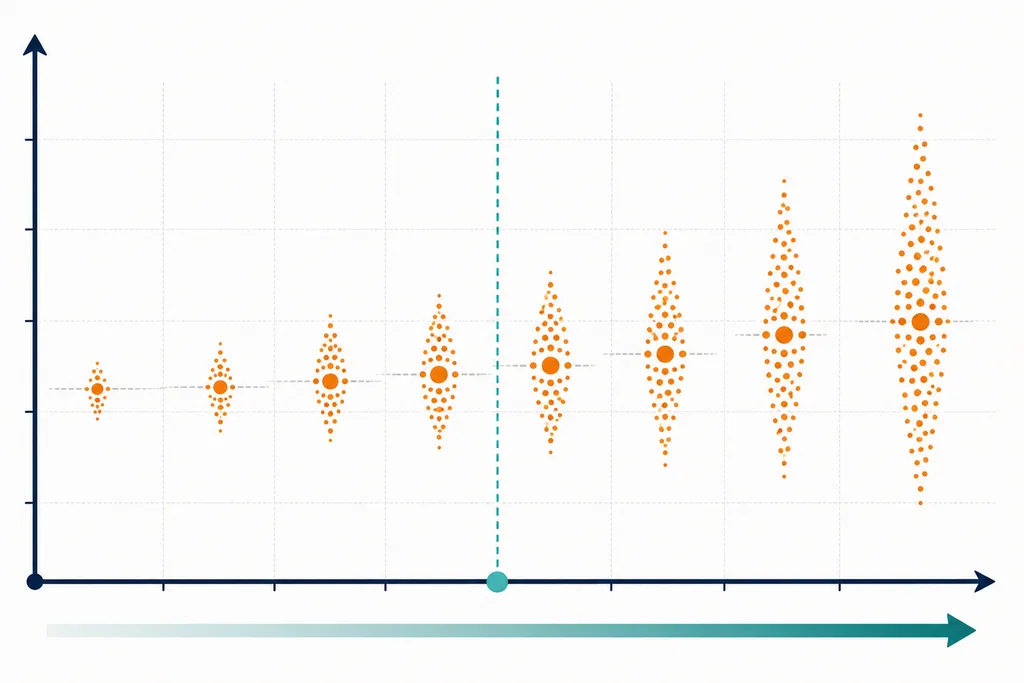
Variance is the mathematical measure of how far outcomes spread from their average, and standard deviation is its square root. Players do not need to calculate either figure to understand the practical point: volatility influences payout frequency, potential win size, slot bankroll fluctuation, and how uneven a session may feel.
How payout patterns are created
A slot’s paytable, symbol probabilities, bonus mechanics, prize values, and hit table collectively shape its distribution of results. Hit frequency—the proportion of spins producing a listed win—is related to this pattern, but it does not reveal whether those wins exceed the amount wagered. Two games can therefore have similar volatility ratings while distributing prizes differently.
High-Volatility Slots Explained
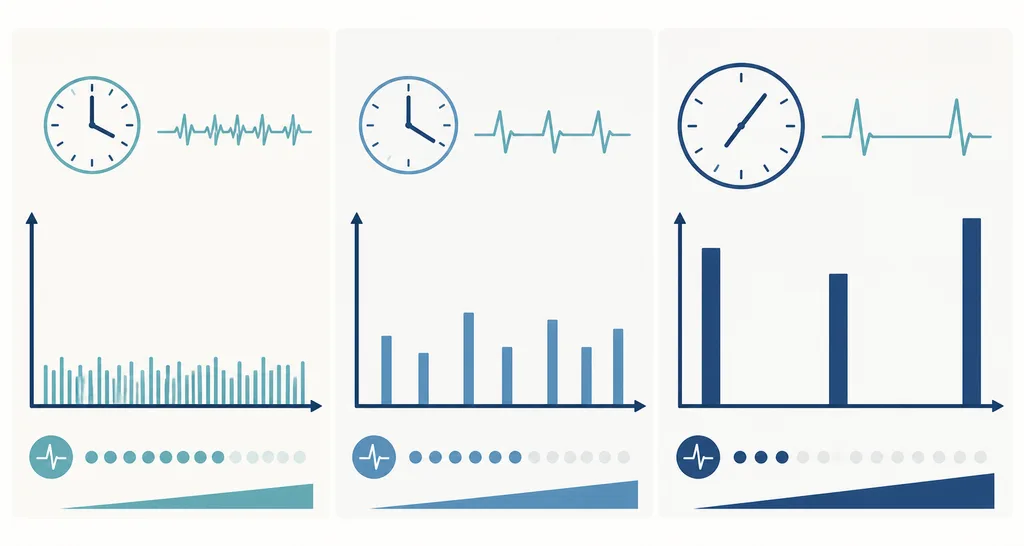
High volatility slots concentrate more of their theoretical return in less frequent outcomes. A session may include extended stretches without a meaningful payout, followed occasionally by a larger result. The important word is potential: the larger prizes shown in a paytable are possible outcomes, not promises.
Because results can be uneven, the balance may move sharply and a budget may be exhausted quickly. Before playing, inspect the game information for the volatility label, maximum exposure per spin, bonus conditions, paytable, feature frequency, and whether different bet levels change prize eligibility. Provider labels remain provider-specific unless a documented methodology explains the scale.
Low-Volatility Slots Explained
Low volatility slots usually spread payouts across more frequent, smaller wins. This can create a smoother short-term pace and may suit someone who prefers regular game events over waiting for an infrequent high-value result.
Frequent wins do not guarantee a stable balance or a profit. A return of less than the stake is still counted as a win by many games. For example, receiving 50 cents after staking $1 produces a visible payout but leaves the player 50 cents behind. Repeated small wins can therefore coexist with an overall loss.
High vs Low Volatility Slots Compared
| Factor | Low volatility | High volatility |
|---|---|---|
| Payout frequency | Generally more frequent | Generally less frequent |
| Win distribution | Weighted toward smaller prizes | More return may be concentrated in larger potential prizes |
| Balance fluctuation | Usually smoother, but losses remain possible | Larger and faster swings may occur |
| Session preference | Regular events and a steadier pace | Longer quiet periods and greater uncertainty |
| Key limitation | Frequent wins may not cover total stakes | A larger listed prize may never occur during a session |
Medium volatility generally sits between these profiles, balancing moderate prize frequency with some larger potential outcomes. It is not a standardized midpoint across every developer, so compare ratings only within the context supplied by the provider.
Volatility vs RTP: What Is the Difference?
RTP and volatility answer different questions. Return to player is the game’s designed long-run return percentage. Volatility describes how widely and unevenly individual results may be distributed around expectations.
Theoretical RTP is not a promise for one player, one session, or a fixed number of spins. Actual RTP over a limited sample may be above or below the designed figure, with volatility affecting how broad that variation can be. As the UK Gambling Commission’s RTP calculation guidance explains, observed results generally require a substantial volume of play before they approach the theoretical value.
A high-RTP game can be highly volatile, and a low-volatility game can have a lower RTP. Neither measurement says what the next spin will return.
How Random Number Generation Affects Results
In regulated games, random number generator outcomes are intended to be acceptably random and unpredictable. The result of a previous spin does not make a win more likely on the next one. A game is not “due” after losses, and a recent payout does not make it “hot” or “cold.” Volatility describes a statistical pattern across many possible outcomes; it is not a timing tool.
How to Choose a Volatility Level
Choose according to entertainment preferences rather than a supposed winning strategy. Consider how much balance movement feels acceptable, whether you prefer frequent game events or can tolerate quiet stretches, and how long you want a fixed budget to support play.
- Read the provider’s volatility description and paytable.
- Check whether the game publishes RTP, hit frequency, or feature information.
- Review top-prize conditions and any bet-dependent eligibility rules.
- Treat vague ratings as relative descriptions, not universal scores.
- Use a fixed entertainment budget that you can afford to lose.
Common Myths About Slot Volatility
High volatility means higher RTP
False. One measures outcome dispersion; the other represents theoretical long-run return.
A losing streak makes a win due
False. Previous results do not provide a reliable forecast of an unpredictable next spin.
Low volatility removes the risk
False. Smaller, frequent payouts can still add up to less than the total wagered.
Responsible Ways to Approach a Session
Set a firm entertainment budget and time limit before starting. Use available deposit, loss, or spending controls, pause regularly, and never increase stakes to chase losses. Slots should not be treated as income, an investment, or a way to recover financial problems.
Frequently Asked Questions
Are high-volatility slots better?
No category is universally better. The distinction concerns payout patterns and preferred session style, not improved odds.
Can volatility predict when a slot will pay?
No. It describes the distribution of possible results and cannot identify the outcome or timing of the next spin.
How can players find a volatility rating?
Check the help screen, game rules, paytable, or provider description. If no rating or methodology appears, avoid inferring volatility from a short personal session.
High volatility generally means less frequent payouts with the potential for larger wins, while low volatility generally means more frequent, smaller wins. Both involve risk, neither guarantees profit, and neither predicts what will happen next.